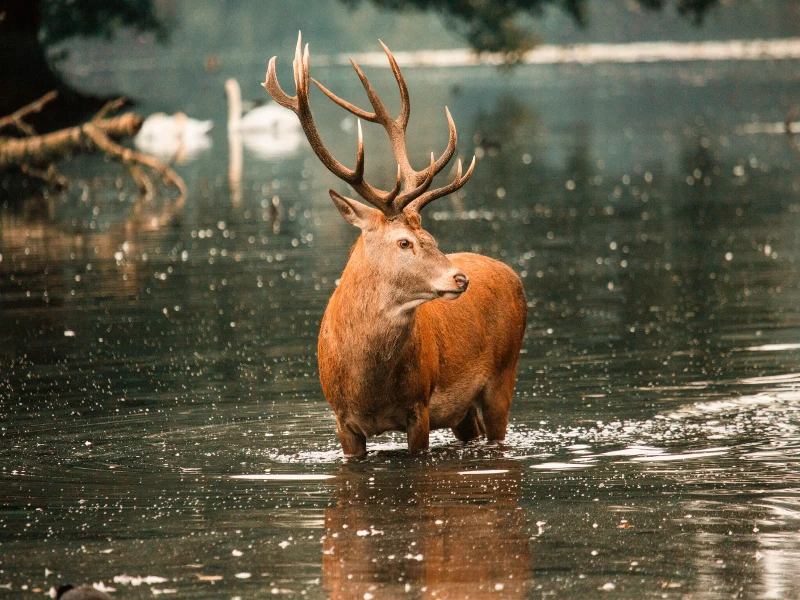
The Spanish red deer is one of the most majestic and highly prized trophy species in Europe. Hunting this animal requires patience, skill, and respect for its natural behavior. Mostly active at night and hiding deep in forests, spotting a red deer is a challenge, but the reward is unforgettable.
While thermal vision is prohibited for hunting in many countries, it is invaluable for observation and population monitoring. Many hunters use it to study behavior, rut patterns, and to understand habitats without disturbing the animals.
Introduction to the Spanish red deer
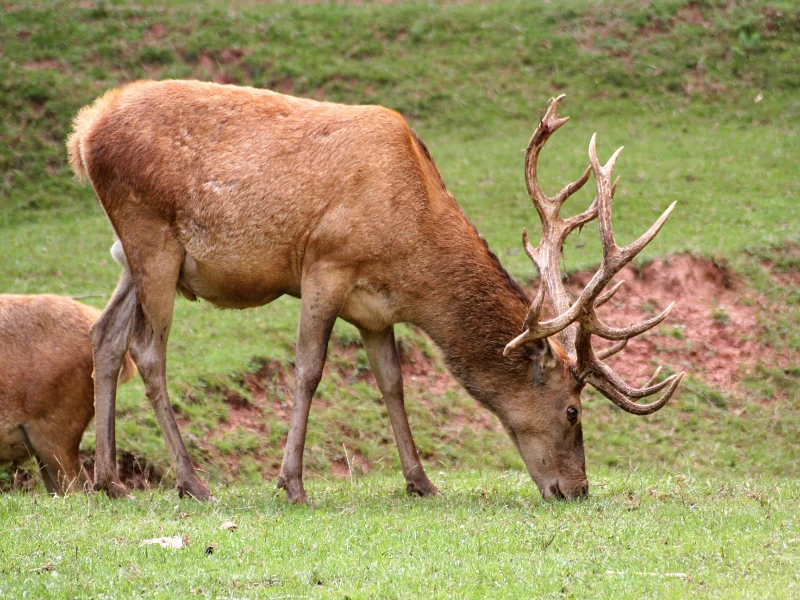
Night Vision Viking, a Swedish hunter, explains: “Red deer are remarkably large. They measure between 200 and 250 cm from nose to tail, weigh up to 250 kg, and the antlers of mature stags can weigh 5 kg and exceed a meter in length.” Females are smaller but still among the largest game species in Europe.
Julia Nowak, a Polish hunter studying in Sweden, adds: “Their movement is so special; observing a mature stag, the true king of its territory, is majestic. During rut, the impressive antlers and powerful calls make the species even more regal.”
Spanish red deer are found throughout the country in forests, mountains, and protected estates, adapting to both Mediterranean and Atlantic climates. This adaptability ensures that populations remain stable year-round.
Spotting and stalking red deer
Riccardo Tamburini, an Italian hunter with years of experience in Europe, explains: “Red deer are discreet and difficult to spot during the day. The challenge is stalking them before they detect you. Fresh tracks, knowledge of local feeding grounds, and tips from locals are essential.”
Slow, careful movement, staying downwind, and minimizing noise is critical. Any mistake, such as a snapping branch or rustling leaves, can alarm deer up to 1 km away. Observing the landscape and animal signs is as important as marksmanship.
Expert hunting tips
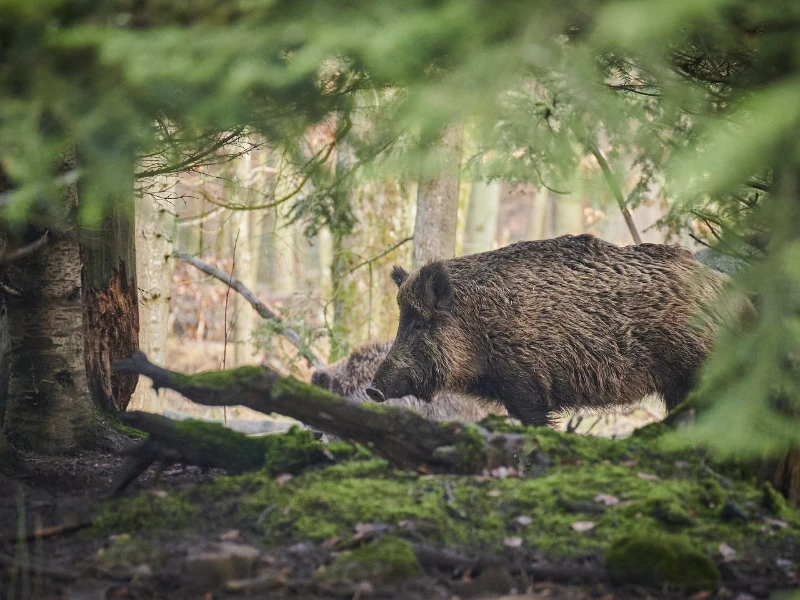
Riccardo advises: “Many hunters mistake tracks in open grass for wild boar, but careful observation of depth and shape can reveal red deer. In some regions, clover fields are hotspots for deer gatherings.”
Julia adds: “Over time, hunters learn the special spots where deer appear frequently. Knowing water sources, resting areas, and feeding paths is crucial. Observation is the key; spending hours quietly watching provides insights you cannot get from maps alone.”
Red deer diet and seasonal behavior
Spanish red deer are herbivores, feeding on grass, herbs, shrubs, and acorns. Diet varies seasonally, affecting movement patterns. During spring and summer, they focus on high-protein grasses and young shoots. In autumn, acorns and mast become essential for energy storage before winter.
Seasonal movements also influence hunting strategies. In regions with heavy snowfall, deer migrate to lower altitudes, while in Mediterranean climates they remain in dense forests year-round.
Rut season, from September to October in Spain, is when stags are most active and vocal. This period is crucial for hunters, as deer are more visible but also more alert and aggressive.
Role of thermal vision and observation
Thermal devices help locate deer at night, particularly in semi-urban or open areas where visibility is limited. Night Vision Viking states: “Compact thermal monoculars like Pulsar Axion 2 XQ35 are invaluable for observation, while the Merger LRF XP50 provides high-quality images for wildlife management.”
Observation is not just about hunting. Accurate surveys help track population trends, assess habitat quality, and ensure sustainable management.
Responsible hunting and regulations in Spain
Hunting red deer carries significant responsibility. Spanish law regulates hunting seasons, quotas, and age/sex restrictions. Stags in rut are strictly protected, as are certain age classes of females. Knowledge of these rules ensures ethical hunting and population sustainability.
Julia emphasizes: “Understanding herd dynamics is key. Older females often lead groups, and younger females follow. Mistaking age or sex can affect management and conservation.”
Hunting methods in Spain
Stalking (Rececho)
Stalking involves moving quietly through forests, observing natural paths, feeding, and resting areas. Hunters often use temporary blinds or camouflage to remain undetected.
From the hunting stand
In some estates, hunters use fixed positions or tree stands. Visibility can be limited in dense forests, requiring detailed knowledge of deer movement to avoid interfering with other hunters.
Social structure and behavior of red deer
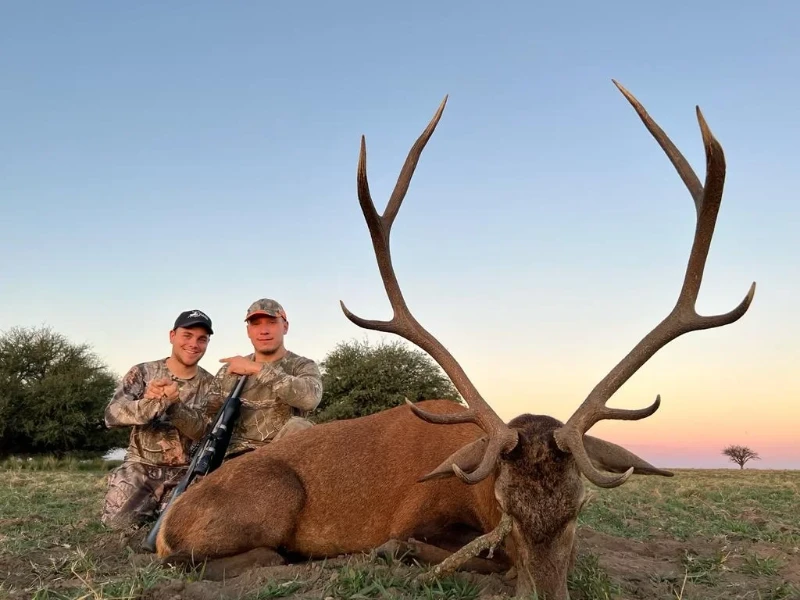
Red deer live in single-sex groups most of the year. During rut, stags establish territories and engage in vocal and physical contests to assert dominance. Understanding these behaviors is essential for ethical hunting.
Julia notes, “Watching young stags practice their calls is both amusing and educational. Their posture and pride mirror that of mature stags, preparing them for future dominance.”
Red deer habitats and regions in Spain
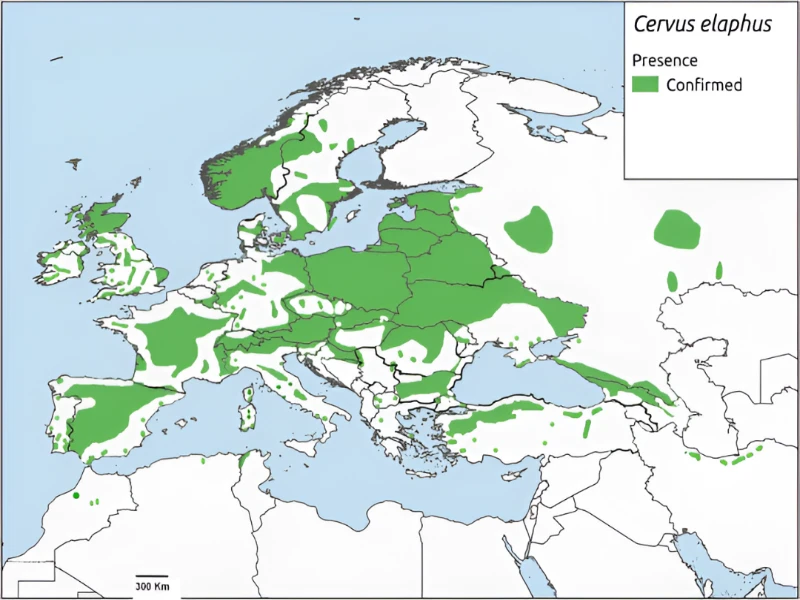
Red deer thrive in a variety of habitats across Spain. Key regions include Castilla y León, Galicia, Andalucía, Extremadura, and the Pyrenees. These areas provide abundant food, water, and shelter, supporting stable populations year-round.
Exceptional hunting stories
Riccardo recalls his first one-year-old female deer: “After many hours, in October, I finally harvested her at 30 meters. Patience and knowledge are essential.” Julia shares a memorable rut encounter where two stags clashed right in front of her, creating an unforgettable scene.
These experiences highlight the patience, skill, and responsibility required when hunting such magnificent animals. Each encounter reinforces the importance of observation, timing, and respect for wildlife.
Choosing the right trophy
Antler development, age, and body condition are key factors when selecting a trophy. Hunters must evaluate the stag’s health, size, and symmetry of the antlers to comply with ethical hunting practices.
Julia explains: “Recognizing the difference between young spikers, mature stags, and older leaders is critical. Observing behavior and position within the herd helps decide which animal is suitable for harvest.”
FREQUENTLY ASKED QUESTIONS
Questions about Spanish Red Deer (Venado)
When is the best season to hunt Spanish red deer?
The optimal hunting period is during the rut, usually from September to October. During this time, stags are more active, vocal, and visible, increasing the chances of observation and harvest.
Are there restrictions on which red deer can be hunted?
Yes. Regulations vary by region, but generally, stags in rut and certain age classes of females are protected. Hunters must comply with quotas, legal ages, and ethical guidelines to ensure sustainable management.
What are the main hunting methods used in Spain?
The most common methods include stalking (rececho), hunting from a stand, and selective calling during rut. Each method requires knowledge of deer behavior, habitats, and movement patterns.
How can thermal vision help hunters and observers?
Thermal monoculars and cameras allow observation at night without disturbing the animals. They are invaluable for monitoring population, studying behavior, and improving safety during hunting trips.
What is the best way to select a trophy stag?
Hunters should evaluate antler size, symmetry, body condition, and age. Observing the stag’s position in the herd and behavior helps make ethical decisions, ensuring that only suitable animals are harvested.