Hunting dogs in Spain are essential partners for hunters, combining instinct, intelligence, and loyalty to ensure a successful hunt. They are indispensable in many traditional hunting methods across the country, supporting both big game and small game pursuits.
Their abilities—keen sense of smell, agility, stamina, and hunting instinct—make them not only working animals but also faithful companions deeply integrated into Spanish hunting culture.
Popular hunting dog breeds in Spain
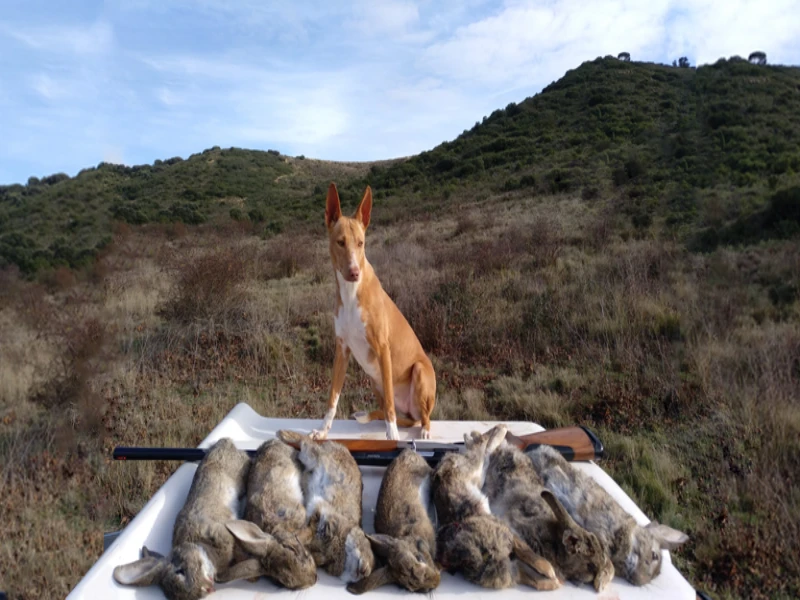
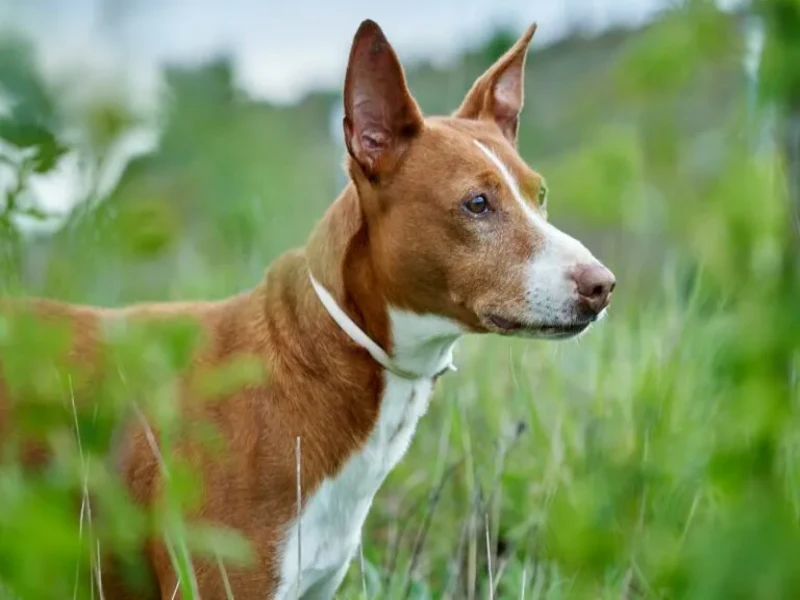
The Podenco Andaluz is known for its agility, sharp senses, and energy. It is commonly used for hunting rabbits and other small game in open fields and rugged terrain.
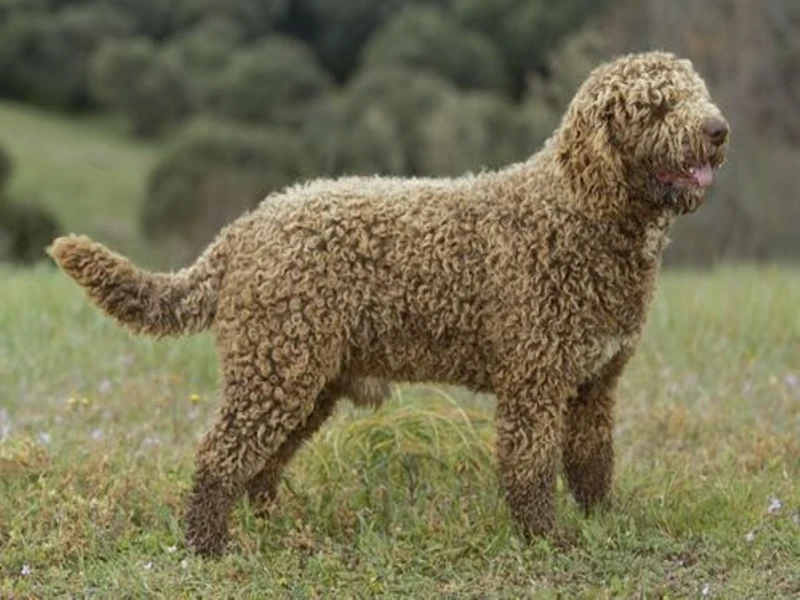
The Spanish Water Dog is highly versatile, adept at retrieving both on land and in water. Its intelligence and trainability make it ideal for hunting waterfowl and other game requiring retrieval.
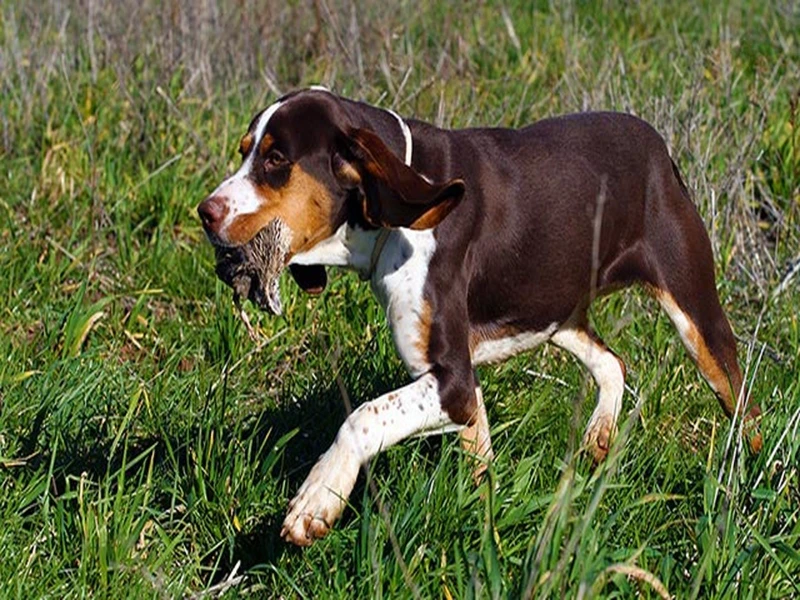
The Pachón Navarro, with its characteristic split nose, excels in pointing and retrieving. It is a unique native breed highly valued by Spanish hunters for its instinct and adaptability.
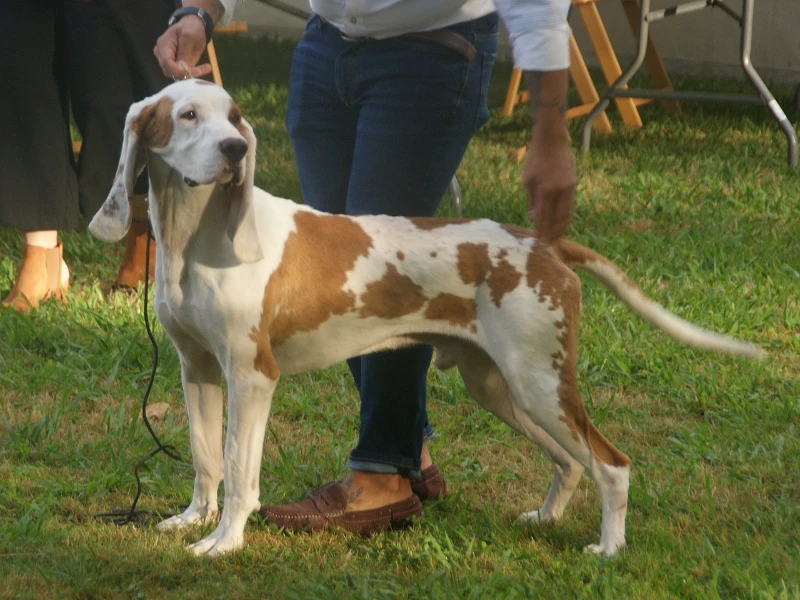
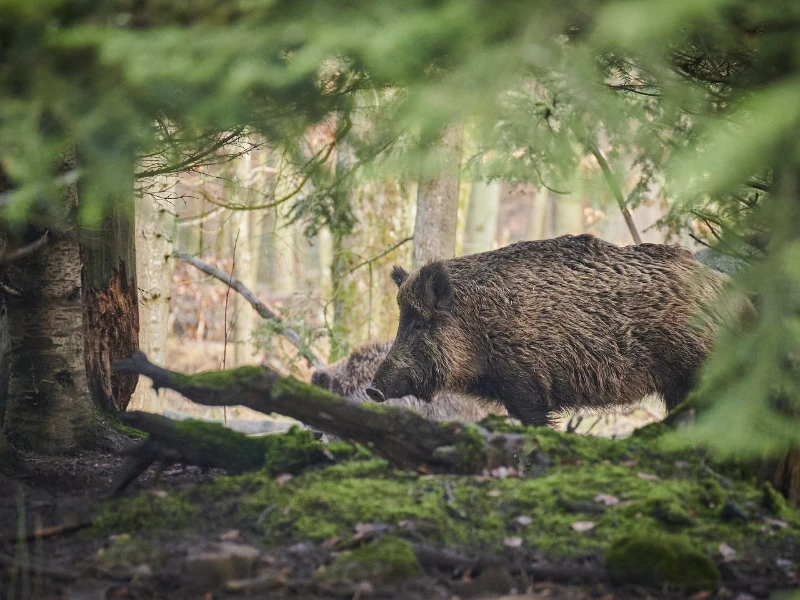
The Sabueso Español is a scent hound traditionally used for tracking big game such as wild boar and deer. Its persistence, endurance, and exceptional nose make it an essential companion for hunters across Spain.
Other important Spanish hunting breeds include the Podenco Ibicenco, Podenco Canario, Galgo Español, and Perro de muestra valenciano, each specialized in various hunting roles depending on the game and terrain.
Roles and hunting techniques
Hunting dogs in Spain are trained for specific roles depending on the game. For small game, breeds like the Podenco Andaluz excel in pointing and tracking. For larger game, scent hounds and water dogs assist in tracking, flushing, and retrieving.
These dogs are integral to traditional hunting methods such as montería, a driven hunt where dogs move through terrain to push game toward hunters’ positions. They also play a key role in more focused hunts, where tracking and retrieving skills are essential.
Care and training of hunting dogs
Proper care ensures that hunting dogs remain healthy and perform at their best. Nutrition, exercise, regular veterinary checks, and vaccinations are essential.
Training is equally crucial. Dogs must learn obedience, scent tracking, and specific hunting commands. The bond between hunter and dog develops over time through consistent practice and shared experiences in the field.
Well-trained dogs can work independently yet respond promptly to the hunter’s commands, making them reliable partners in all hunting conditions.
Importance of native breeds
Native Spanish breeds like the Podenco Andaluz, Podenco Ibicenco, Podenco Canario, Galgo Español, Spanish Water Dog, Pachón Navarro, and Sabueso Español represent centuries of adaptation to local landscapes and hunting practices. They offer hunters unique abilities, from agility and speed to water retrieval and scent tracking.
Preserving these breeds also maintains cultural heritage, ensuring that Spanish hunting traditions continue with authentic, highly skilled canine companions.
Hunting regions and applications
Hunting dogs are used throughout Spain, from open plains and forests to wetlands and mountainous terrain. They assist in both small game hunting, such as rabbits and partridges, and big game hunting, including wild boar and deer.
- Andalucía: podencos and water dogs are widely used in diverse terrains.
- Castilla y León: hounds and versatile breeds assist in large forest hunts.
- Navarra: Pachón Navarro and Sabueso Español are particularly valued for pointing and tracking in traditional hunts.
Responsible hunting practices
Ethical hunting relies on the partnership between hunter and dog. Dogs must be treated with care, and their health and safety should always be prioritized.
Hunters also follow regulations to maintain sustainable populations and minimize environmental impact. Dogs play a role in helping hunters track and retrieve game efficiently, reducing unnecessary losses and ensuring conservation goals are met.
FREQUENTLY ASKED QUESTIONS
Questions about Spanish Hunting Dogs
Which hunting dogs are native to Spain?
Spain has several native hunting breeds, including the Podenco Andaluz, Podenco Ibicenco, Podenco Canario, Galgo Español, Spanish Water Dog, Pachón Navarro, and Sabueso Español. Each breed has specific skills suited for either small or big game hunting.
How are Spanish hunting dogs trained?
Training begins with basic obedience and progresses to specialized hunting skills like tracking, pointing, flushing, and retrieving. Consistent practice in the field helps dogs learn to respond to commands and develop a strong bond with their hunter.
What type of care do hunting dogs need?
Hunting dogs require balanced nutrition, regular exercise, veterinary check-ups, and vaccinations. Proper care ensures they remain healthy, energetic, and capable of performing at their best during hunts.
Can hunting dogs be used for multiple types of game?
Yes, many Spanish hunting dogs are versatile. For example, the Spanish Water Dog can retrieve both on land and in water, while Podenco breeds excel at tracking and pointing small game. However, some breeds are specialized, so selecting the right dog for the game and terrain is important.